
December 21, 2025, Fourth Sunday of Advent
Lectionary #10, Matthew 1: 18-24
Scripture
This is how the birth of Jesus Christ came about. When his mother Mary was betrothed to Joseph, but before they lived together, she was found with child through the Holy Spirit. Joseph, her husband, since he was a righteous man, yet unwilling to expose her to shame, decided to divorce her quietly.
Such was his intention when, behold, the angel of the Lord appeared to him in a dream and said, “Joseph, son of David, do not be afraid to take Mary your wife into your home. For it is through the Holy Spirit that this child has been conceived in her. She will bear a son and you are to name him Jesus, because he will save his people from their sins.”
All this took place to fulfill what the Lord had said through the prophet: Behold, the virgin shall conceive and bear a son, and they shall name him Emmanuel, which means “God is with us.” When Joseph awoke, he did as the angel of the Lord had commanded him and took his wife into his home.
Reflection
As much as God loves people, it is as rare as Sahara snow that God will communicate openly with anyone. He has a thing about people talking to people. He is a firm believer in pursuing people by proxy. He likes apostles, prophets, and witnesses of all kinds, his favorite “agents”—especially witnesses. Back in the sixties, Pope Paul VI wrote (and I quote from memory), that today, “people don’t really listen to preachers. They listen to and follow witnesses. When they listen to preachers, it is because they are also witnesses.” In God’s view, people are graced with hands and feet.
This Gospel shows us two people whom we have too long honored from afar. At Christmas-time, God does not only communicate words to us, but the Word. Christmas is God communicating with people — us. But even in this miracle of all miracles, he chose to do it through people.
Before she was allowed to carry the Son of the Father in her womb, Mary had to qualify as a witness. She was put through a test that challenged her faith and went straight to the heart and dignity of her womanhood. She was asked to bear the Son of God in her womb and give him birth while remaining a virgin. And her response to the incredible was yes. She trusted, and she became a witness truly worthy of communicating the Word to people.
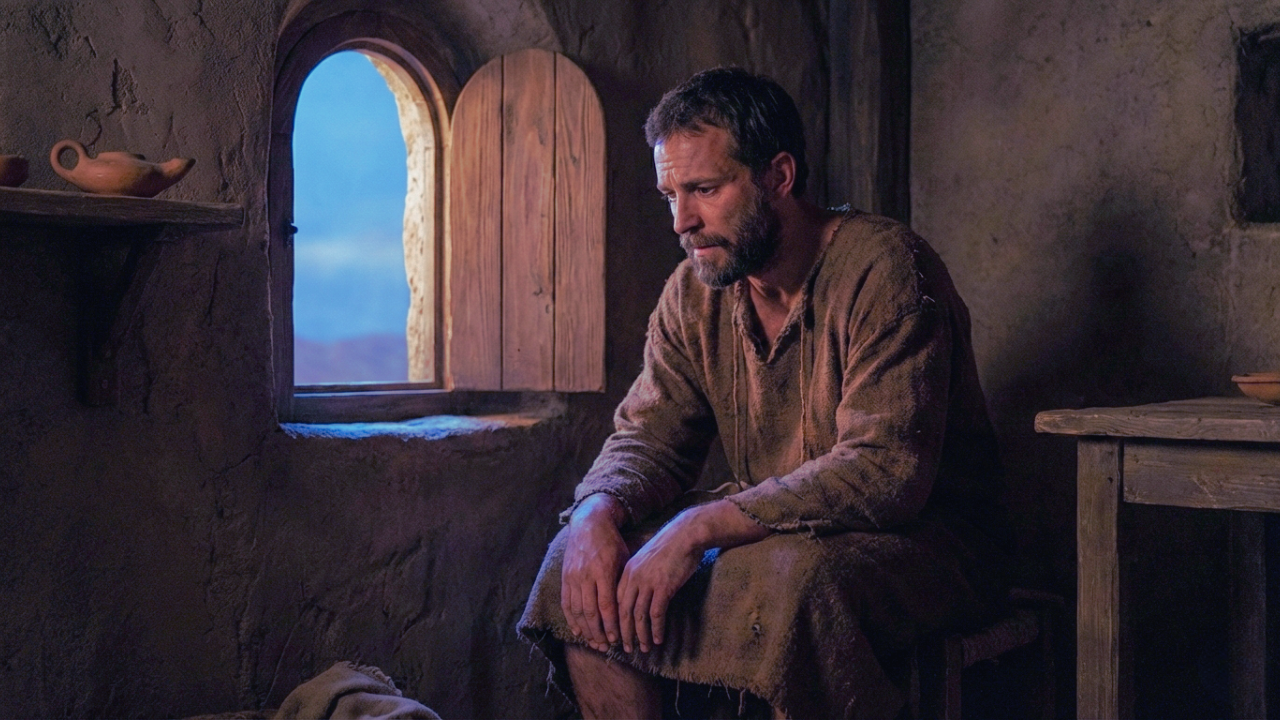
Joseph was asked to accept this pregnant girl, who was his fiancée, as his wife. Before he became a “bearer” of the Word to others, Joseph also had to qualify as a witness. The test he passed went straight to the heart of his faith in God and to the core of his manhood. He was asked to become part of what appeared to be the most laughable hoax in the known world, or its loftiest and most splendid mystery.
In his wise simplicity, Joseph chose to believe and follow his heart. He trusted and became a witness. Matthew, the evangelist of Joseph, is careful to inform us that “when Joseph awoke he did as the angel of the Lord had directed him and received her into his home as his wife.”
We do well, of course, to focus our love and our prayers on the Christ-Child resting in the manger. He is, after all, the Word made human, the little, helpless, wailing Word who loved us passionately enough to take on our sin and our misery. We should also be careful not to ignore the other two principals of that scene: Mary and Joseph.
The Word in all his love and power came to us through them. They are not just standing there, freeloading on the reflected glory of their Maker in a manger. They made the grade the old-fashioned way, as John Houseman used to say, “they earned it.”
And so it is that all Christ-carriers, witnesses, have to earn the privilege the old-fashioned way. God’s coming into the world as “God with us”–Immanuel, is incredible, and we, the witnesses, are called to be messengers of the incredible. The testing may be tough, but there is no other way to bring the peace of God and the God of peace to humankind.
La Salette Invocation
Our Lady of La Salette, reconciler of sinners,
pray without ceasing for us who have recourse to you.