
Fourth Sunday of Lent
La Salette Laity Reflection by by The Laity of Sulphur
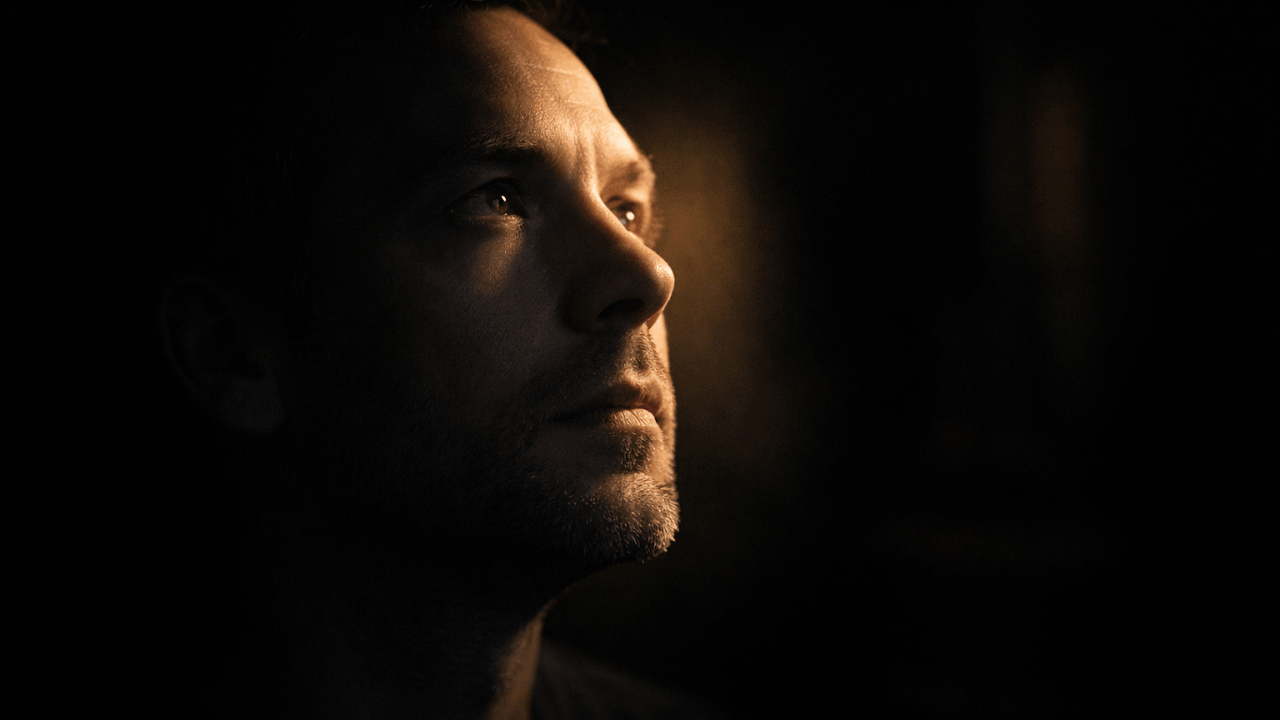
In today’s Gospel, there is a striking contrast between the man born blind and the Pharisees. The Pharisees, who should have seen clearly, were blind to the divine reality in their midst, not from lack of knowledge, but from a refusal to be changed. The blind man, however, receives sight and comes to believe in Jesus as the Son of Man. This is our Lenten challenge: do we view our lives through the eyes of despair, or through the eyes of faith?
This call to deeper vision echoes the message of Our Lady of La Salette. Mary appeared weeping because she saw the serious sin of the world, especially the neglect of Sunday Mass and the careless use of her Son’s name. Her tears were not condemnation, but a loving revelation of spiritual blindness and an urgent call to repentance.
Like the man born blind, we too can become spiritually blind, dulled by self-centeredness, routine, and the distractions of modern life. Mary of La Salette calls us to reconciliation and to return to keeping Sunday holy, not merely as an obligation, but as a relationship restored. She desires to heal our vision so we can recognize both the seriousness of sin and the beauty of reconciliation with her Son.
This Fourth Sunday of Lent is Laetare Sunday, a day of rejoicing, not because we are perfect, but because Christ offers us light. Let us go and wash in the waters of repentance, in the Sacrament of Reconciliation, so that we too may say, “I was blind, but now I see.”
Our Lady of La Salette, Reconciler of Sinners, pray without ceasing for us who have recourse to thee.